CORE Project Kenya

Community Engagement & Involvement

CORE Project Kenya places community voices, lived experiences, and local priorities at the centre of oral health research, intervention development, and dissemination.

Community Engagement and Involvement ensures that the CORE Project research is shaped by the people most affected by oral health inequalities. The approach creates opportunities for community members, community groups, civil society organisations, local leaders, and health actors to contribute to research design, participant recruitment, consent processes, data collection, interpretation of findings, reporting, and dissemination.The purpose is to make oral health research more relevant, respectful, accountable, and responsive to community realities.

Why community engagement matters

Communities are not only sources of data; they are partners in shaping oral health solutions. Many disadvantaged groups experience barriers that are not always visible to researchers, health professionals, or policymakers. Community engagement helps bring those realities into research and reform processes.Community engagement matters because it:
1. Helps reduce power imbalances between communities, professionals, and policymakers.

2. Creates space for communities to speak about their oral health priorities.

3. Improves the relevance and acceptability of research tools and interventions.

4. Strengthens trust between researchers and communities.

5. Supports local ownership of oral health solutions.

6. Helps ensure that findings are shared back in accessible and meaningful ways.

The Mandate

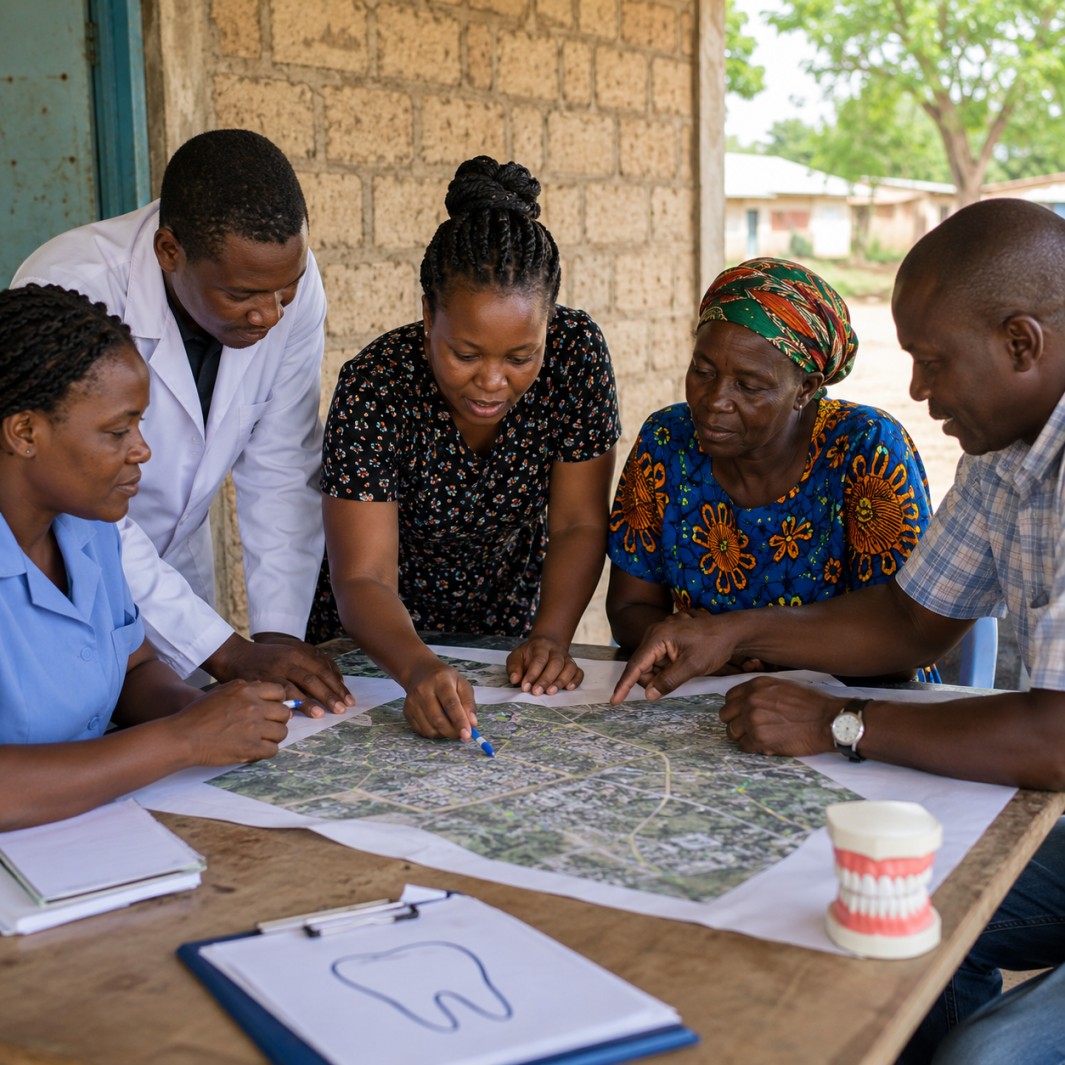
Community mapping

CORE conducts community mapping to understand local communities, existing engagement mechanisms, community structures, and priority groups. This helps identify how best to work with communities in ways that are respectful and practical.

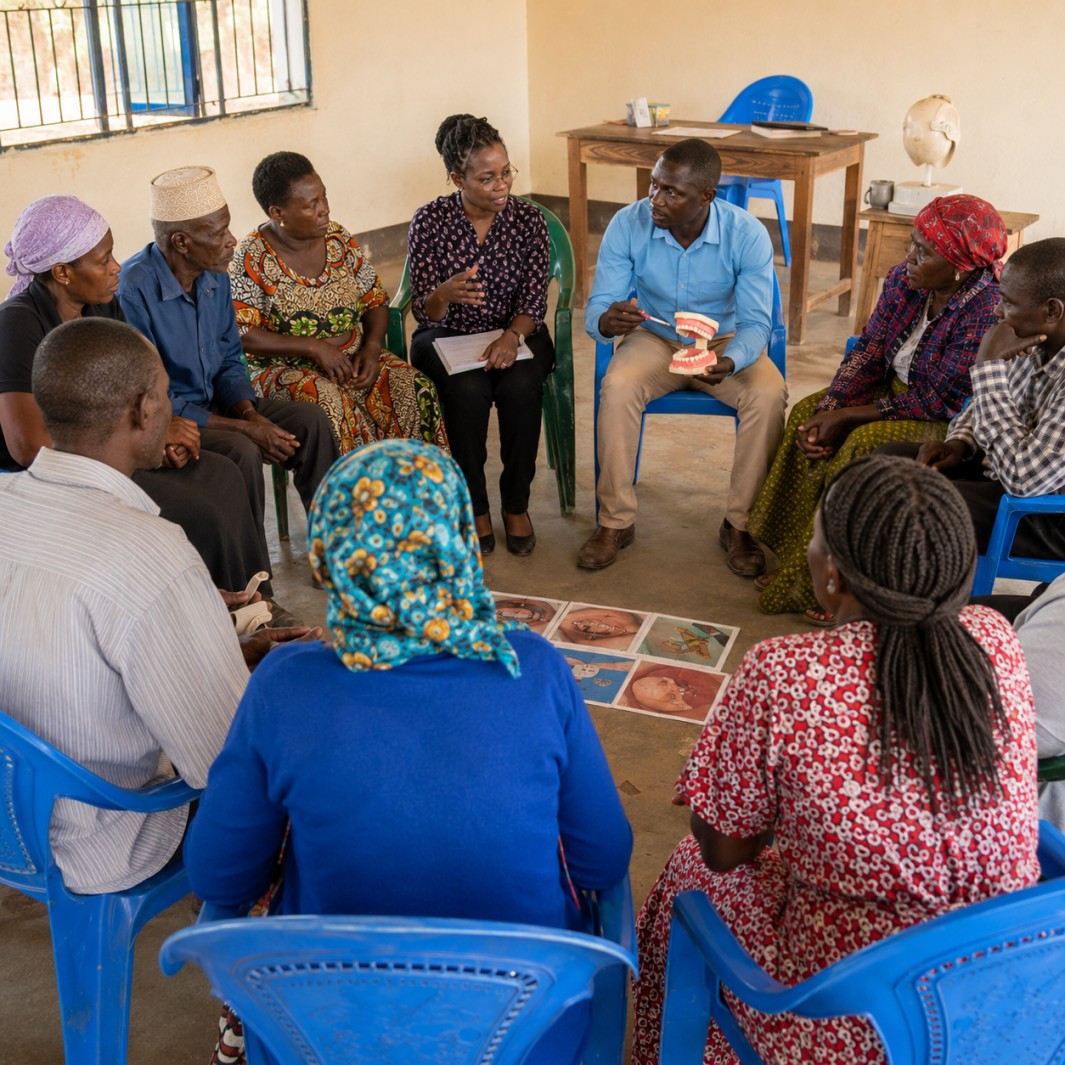
Community forums

The project establishes community forums made up of community members who provide ongoing input into the research. These forums meet regularly and contribute to study design, recruitment, consent processes, data collection, interpretation, reporting, and dissemination.

Community events

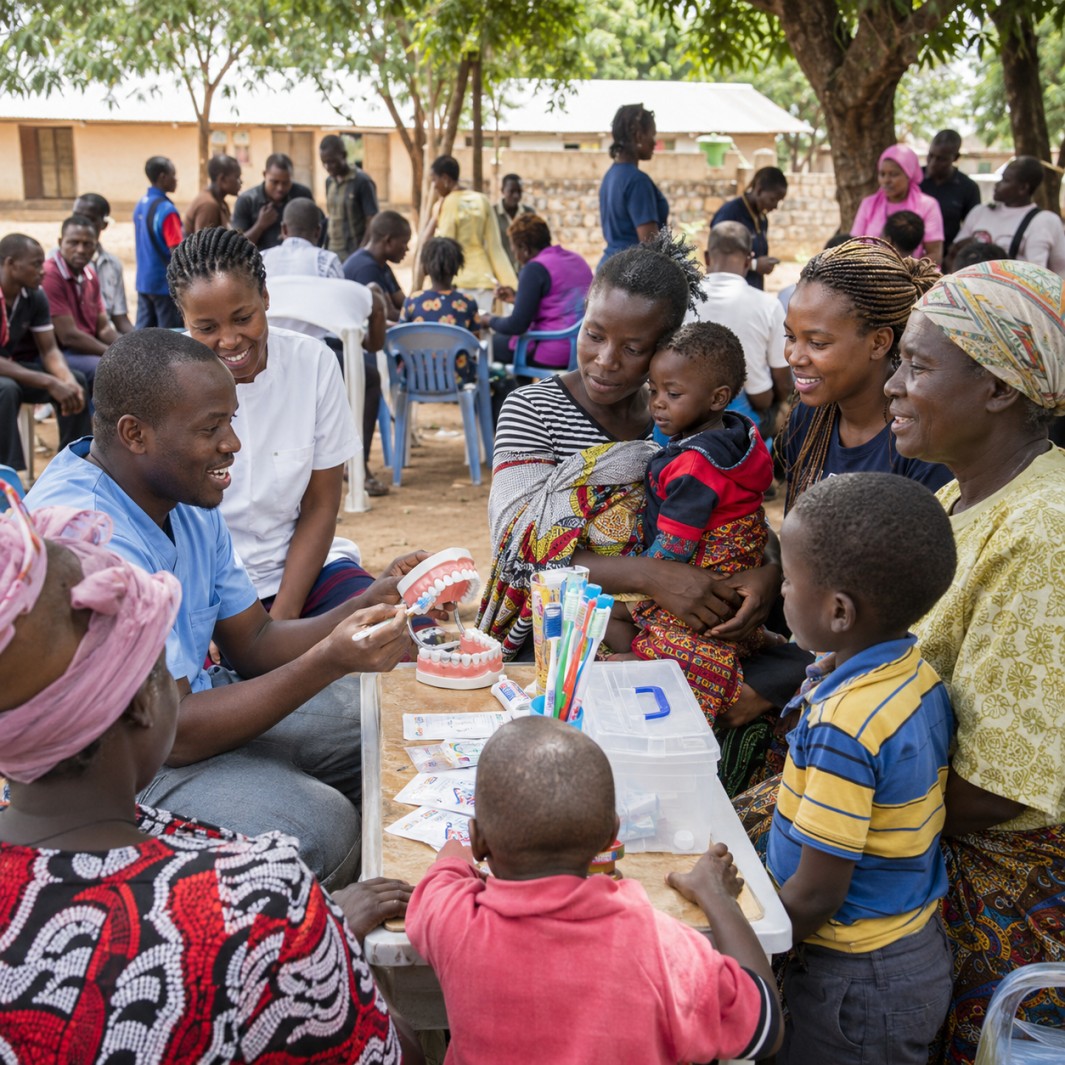
CORE supports local community events that engage wider community members during different phases of the research. These events help share information, gather feedback, and strengthen community participation.

Visual and performing arts outreach

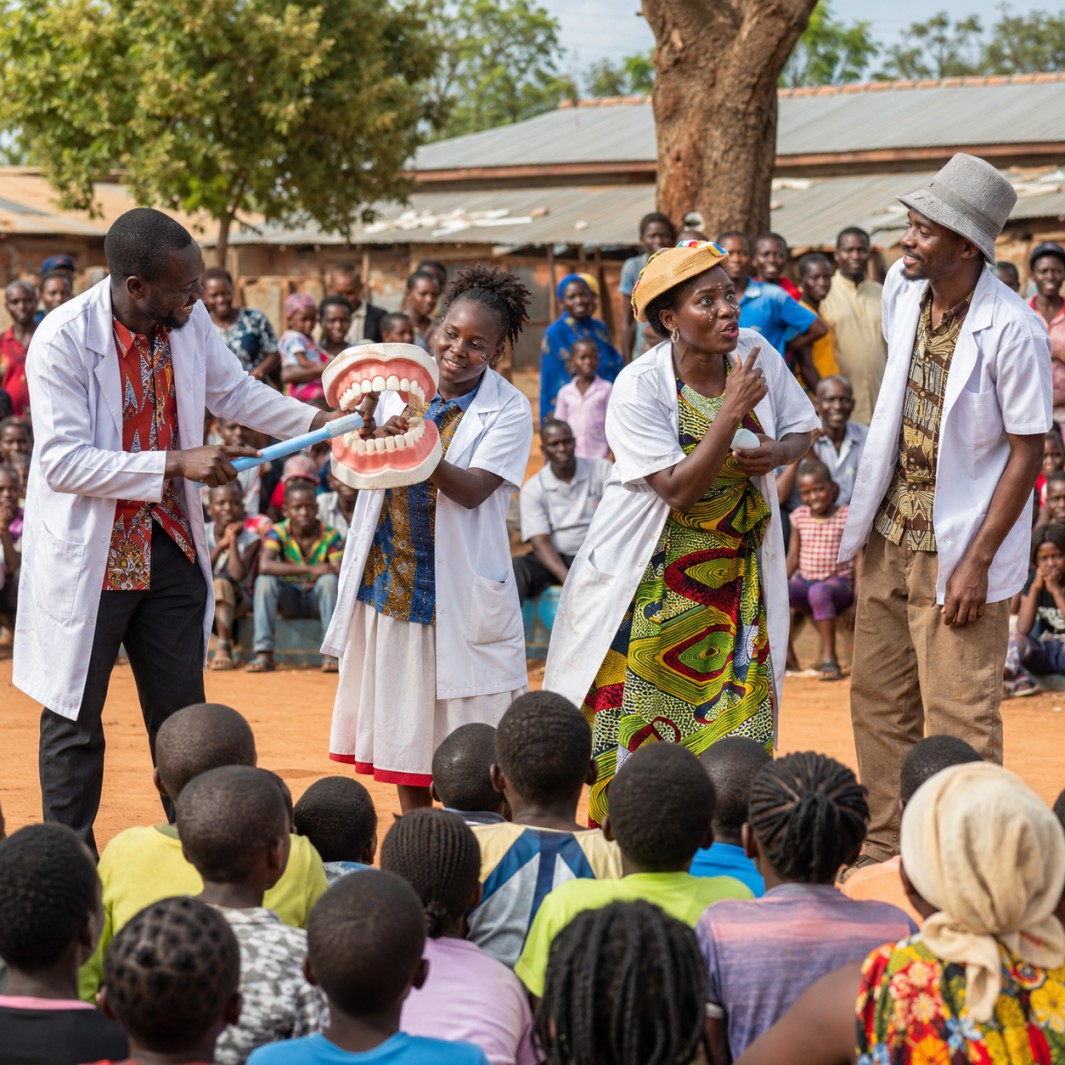
The project may use interactive outreach methods such as community fairs, street plays, visual activities, and other creative approaches. These methods help make oral health research more accessible, participatory, and engaging.

Community link workers

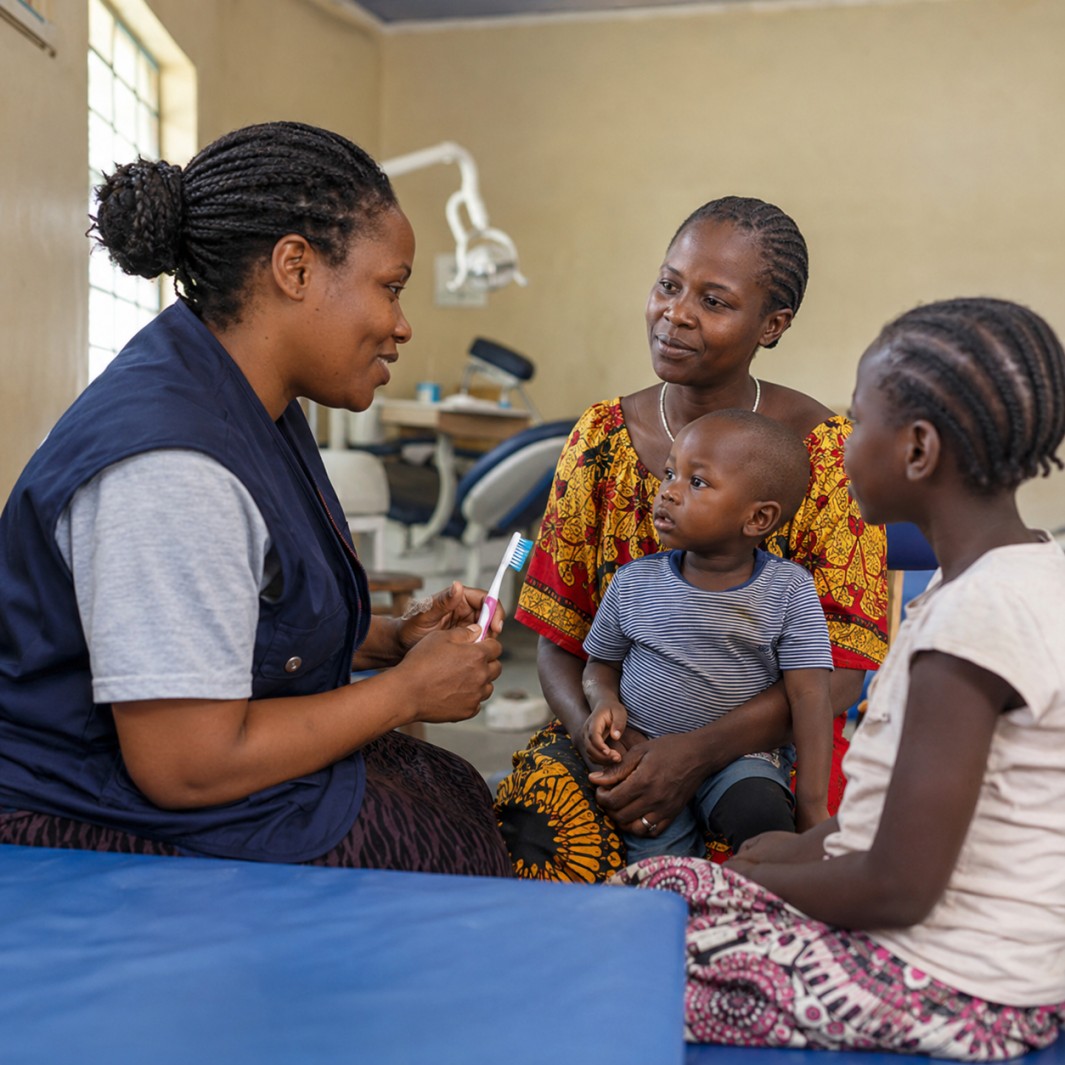
CORE supports community link workers who act as local oral health advocates and facilitators. They help connect communities with clinical dental teams, improve access to services, and support vulnerable members of the community.

CEI evaluation and toolkit development

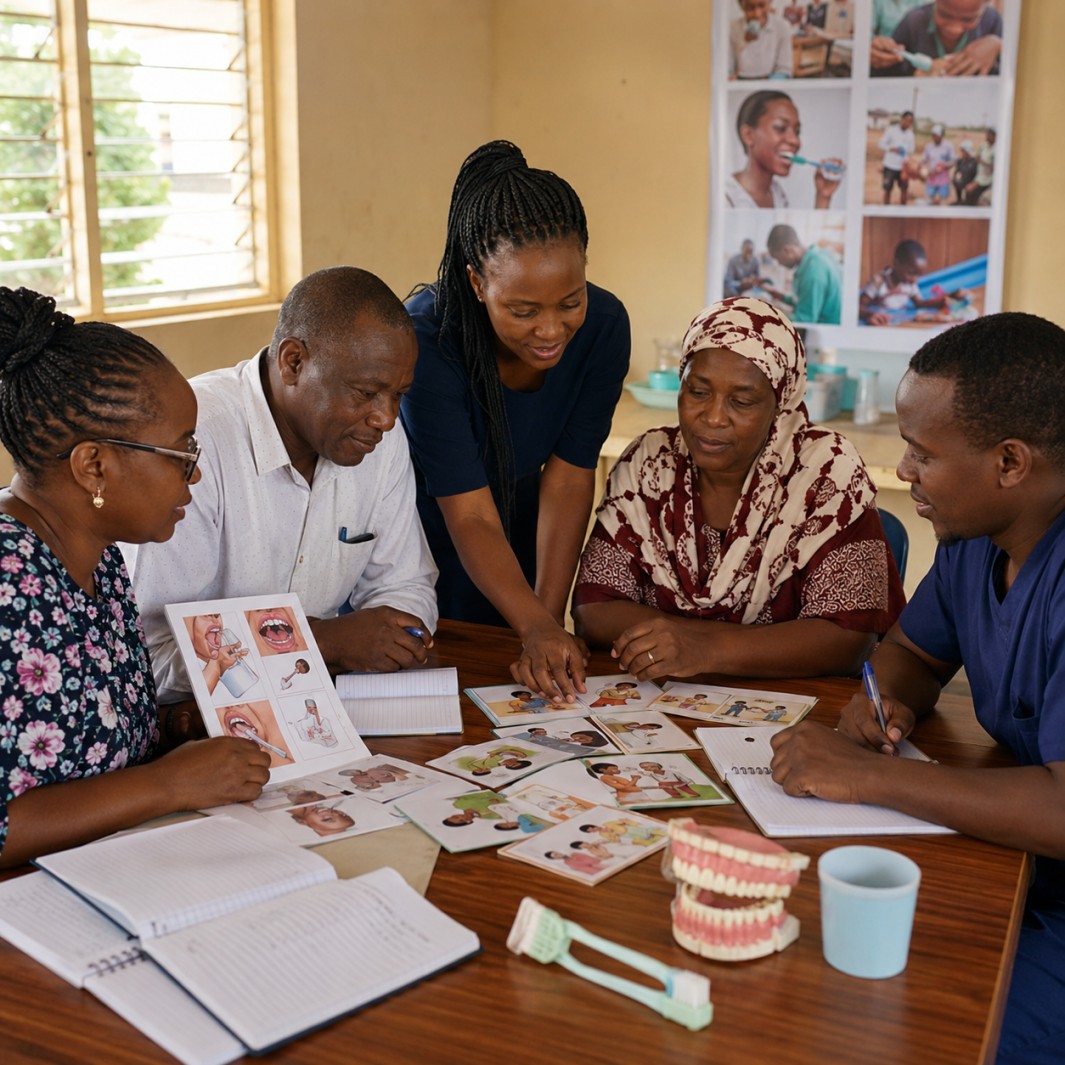
Community engagement activities are evaluated to understand their acceptability, impact, and value. Lessons from the project will contribute to a practical CEI toolkit for future oral health research and community action.

Who is involved

  • Community members.

  • Community forum members.

  • Community link workers.

  • Civil society organisations.

  • Local community groups.

  • Community leaders.

  • Health workers and dental teams.

  • Researchers and project staff.

  • Policy and implementation stakeholders.